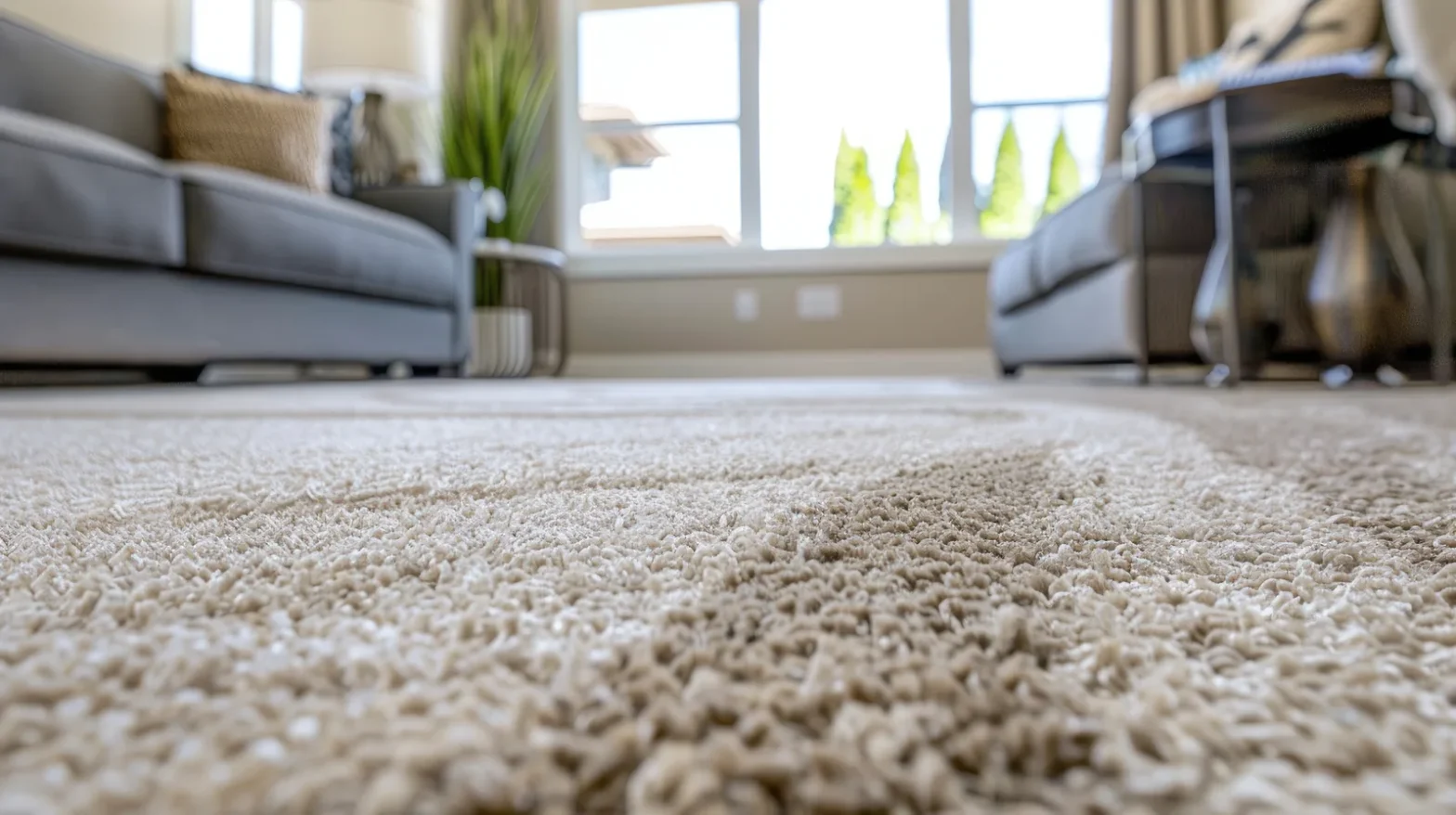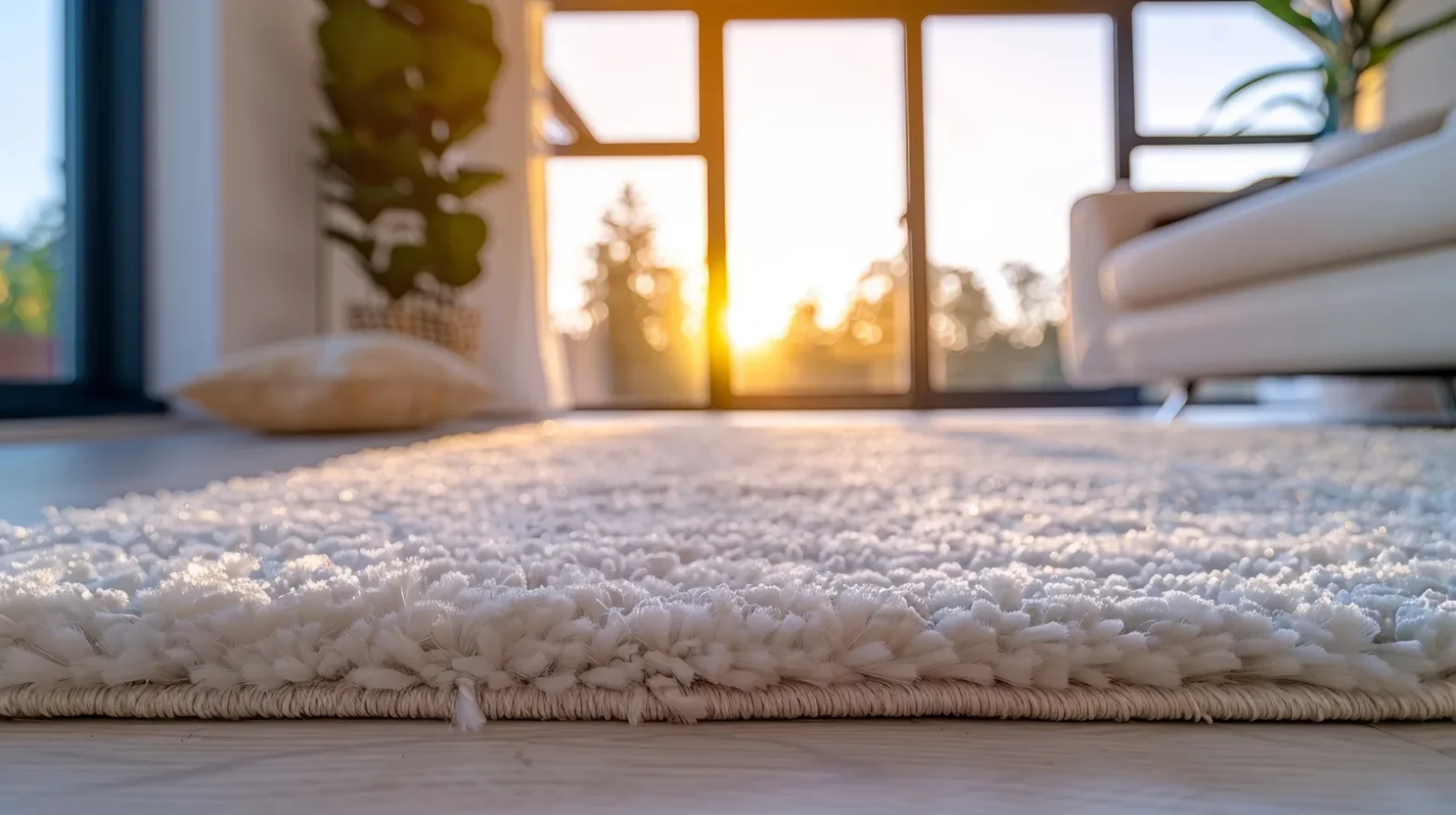
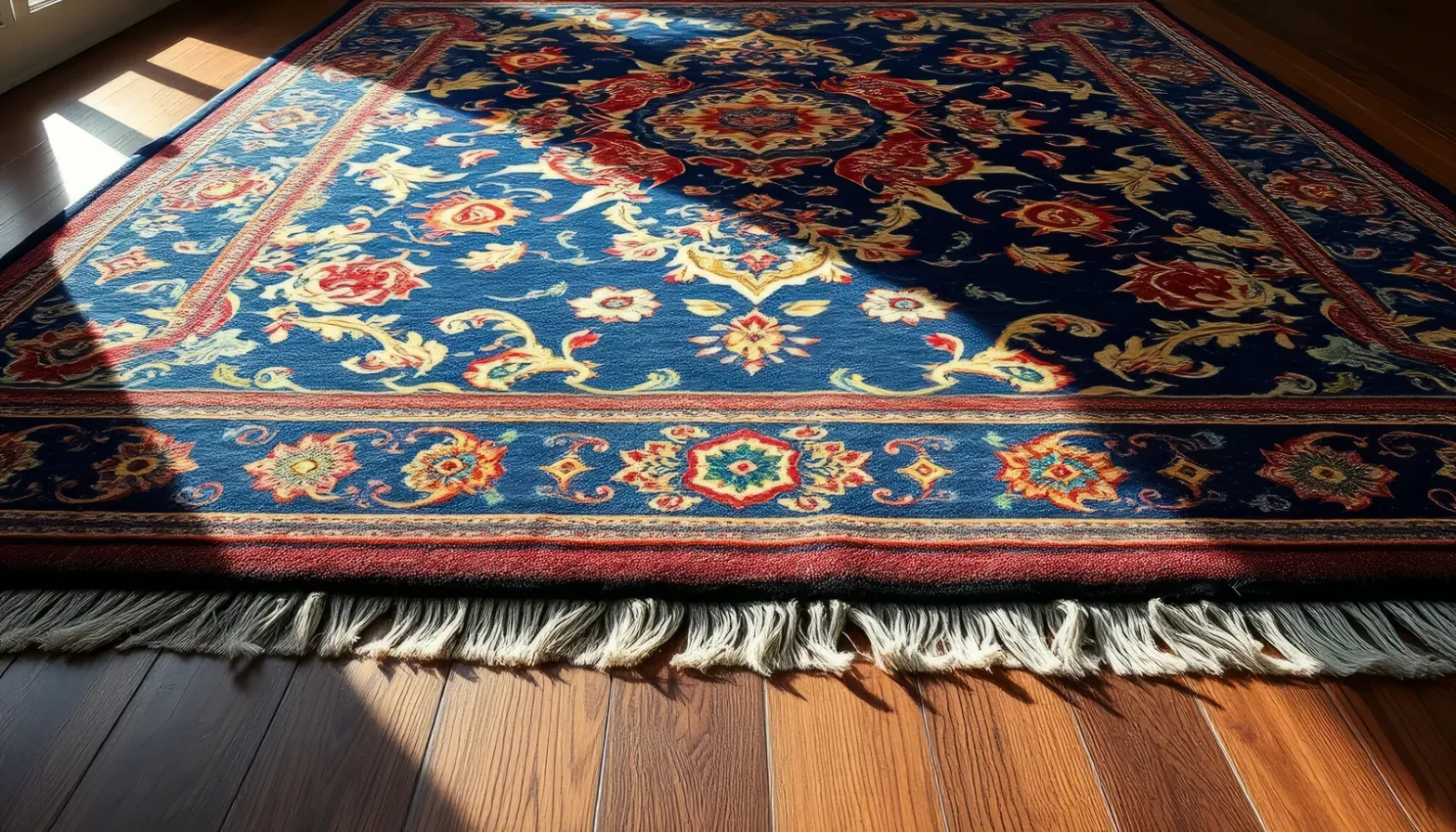
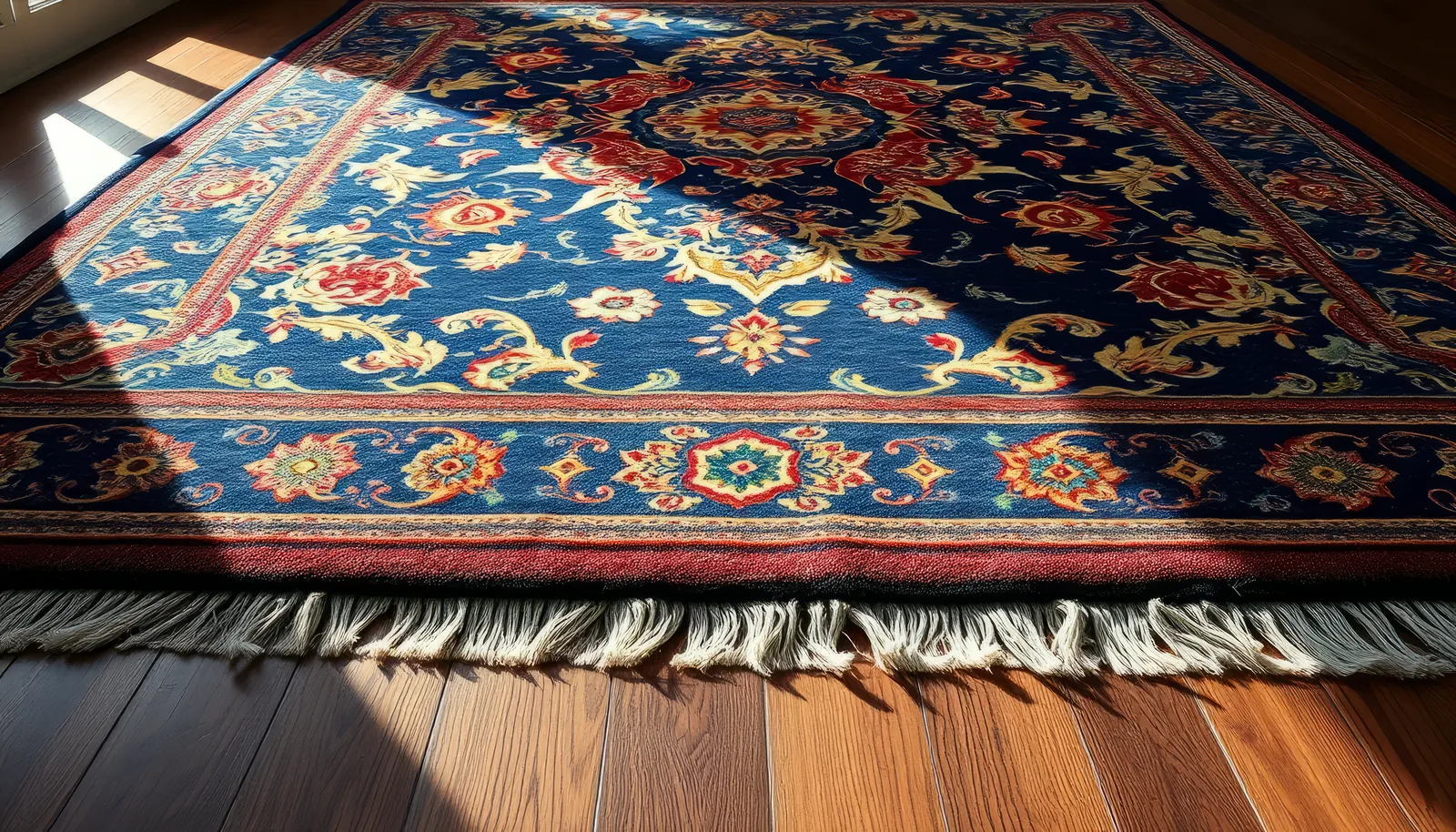
Caring for Oriental & Wool Rugs in Alabama Humidity — illustrated photo. Photo for editorial context; LocalPro Carpet Cleaning Birmingham.
A good Oriental or wool rug can last 100 years and become a generational heirloom. A badly cared-for one can fail in 10. The rules are simple, but they’re different from regular wall-to-wall carpet — and Alabama’s humidity makes them more important here than almost anywhere else. Here’s everything you need to know.
How often should I rotate my Oriental or wool rug?
Every 6 months. Rotate the rug 180° — top becomes bottom, bottom becomes top. This distributes foot traffic and (more importantly) sunlight exposure evenly. Without rotation, you get a “wear lane” in front of the sofa and a fade stripe along the side that catches afternoon sun. With rotation, both even out invisibly.
Set a calendar reminder for the spring and fall equinoxes. We see homes in Mountain Brook and Homewood with 80-year-old Persian rugs that look almost new — every one of those owners rotates religiously.
What’s the right way to vacuum a wool rug?
Turn off the beater bar — or raise it to its highest setting if you can’t disable it entirely. Beater bars are designed to lift fibers in synthetic cut-pile carpet, which works for nylon but breaks wool fibers over time. The fine bristles literally snap individual wool strands every time the bar passes over.
Use suction only. A canister vacuum with a smooth-bottom upholstery attachment is ideal. Vacuum slowly in the direction of the pile (run your hand across — the smooth direction is “with the pile”). Two slow passes do more than four fast ones.
★★★★★“Returned my grandmother’s 50-year-old Oriental rug looking brand new — wrapped in clean paper.”
SMStephen M.Crestline, AL · Verified Customer
Should I vacuum the back of the rug too?
Yes — once a year, at minimum. Flip the rug over and vacuum the back side thoroughly. This knocks out fine soil and grit that filter down into the foundation of the weave and accelerate fiber wear from below.
This is the single most important rug-care practice almost no one does. Try it once and you’ll be shocked at how much comes out.
Why does humidity matter for wool and silk rugs?
Wool and silk are protein fibers — they absorb atmospheric moisture and they’re food for mildew, dry-rot, and certain insects (carpet beetles, moth larvae). Their happy zone is 40–60% relative humidity.
Birmingham summers can hit 70–80% indoor humidity if AC isn’t dialed in. That’s prime conditions for mildew growth in the foundation of the rug — usually invisible until you flip the rug and see the back is discolored or smells musty.
For valuable rugs in older Birmingham homes (especially in Vestavia, Mountain Brook, and other neighborhoods with historic homes), a whole-house dehumidifier is worth its weight in gold. See our humidity guide for more.
How do I handle a spill on a wool or silk rug?
The rules are different than synthetic carpet:
- Blot, don’t rub — wool fibers can felt (mat permanently) when rubbed wet.
- Use cold water only — heat sets many natural rug dyes, including the vegetable dyes used in older Persians and Oushaks.
- Avoid bleach and oxidizers entirely — they strip natural dyes permanently. No hydrogen peroxide, no OxiClean, no chlorine bleach.
- Avoid harsh detergents — wool prefers a tiny amount of pH-neutral, lanolin-friendly soap (a couple drops of clear dish soap in cool water is fine for emergencies).
- For pet accidents, blot, flush with cool water, blot again — and then call us. Wool rug enzyme treatment requires specialty handling we’d rather do than have you risk.
How often should an Oriental rug be professionally cleaned?
Every 2–4 years for most household rugs, depending on traffic and pets. High-traffic rugs (entryway, dining room with kids) lean toward 2 years. Low-traffic rugs in formal rooms can go 4–5 years.
The reason isn’t appearance — it’s foundation health. Fine soil that vacuums miss filters down into the foundation knots and rubs against them with every footstep. Without periodic deep washing, those knots wear out from the inside, and the rug starts losing pile or showing weak spots.
The industry standards and major rug-care industry associations all recommend the 2–5 year window depending on use.
What’s the difference between in-home cleaning and plant cleaning for rugs?
Wall-to-wall carpet has to be cleaned in your home because it’s attached to the floor. Area rugs can be picked up and cleaned at a dedicated facility — and they should be, for any rug with real value.
At our rug plant, we can:
- Dust the rug thoroughly using a vibrating dusting mechanism (removes pounds of fine grit no in-home process can).
- Hand-wash with neutral-pH wool-safe soap.
- Rinse fully with clean water — no residue.
- Dry on tension racks at controlled humidity (prevents shrinkage and shape distortion).
- Apply moth-proofing treatment if requested.
We pick up and deliver across the Birmingham metro. See our rug service or call 205-545-4828.
How do I store a rug if I’m putting it away?
If you’re rolling up a rug for storage (moving, summer storage of a heavy wool, etc.), here’s the proper way:
- Have it professionally cleaned first. Storing a rug with food residue, body oils, or any moisture invites bug damage.
- Roll it against the grain. The pile should be on the OUTSIDE of the roll. This protects fiber tips from compression damage.
- Wrap in breathable material. Cotton sheets, kraft paper, or rug-storage paper. Never plastic — plastic traps moisture and grows mildew.
- Store above ground. Off the floor on a shelf or rack. Never in a basement (humidity) or attic (heat extremes).
- Climate-controlled space. 60–75°F, 40–55% humidity is ideal.
- Add cedar blocks or moth deterrent. Real cedar (sand the surface every year to refresh the smell) or commercial moth blocks.
What rug pad should I use under my Oriental?
A good rug pad protects the rug, prevents slipping, and helps it breathe. Avoid rubber-backed pads on hardwood — they can off-gas and leave permanent marks on the wood. Felt-and-rubber composite pads are the standard recommendation for Orientals on hardwood. Pure felt is fine on carpet.
Cut the pad about 1″ smaller than the rug on each side so it doesn’t show.
Key Takeaways
The bottom line.
- Rotate Oriental and wool rugs 180° every 6 months to even out wear and sun fading.
- Use suction-only or beater-bar-off setting on wool — beater bars break wool fibers over time.
- Vacuum the back of the rug once a year to lift deep soil that filters down through the weave.
- Hold indoor humidity at 40–60% to prevent mildew, dry-rot, and bug damage on natural fibers.
- Spot-clean spills with cool water only — hot water sets many natural rug dyes.